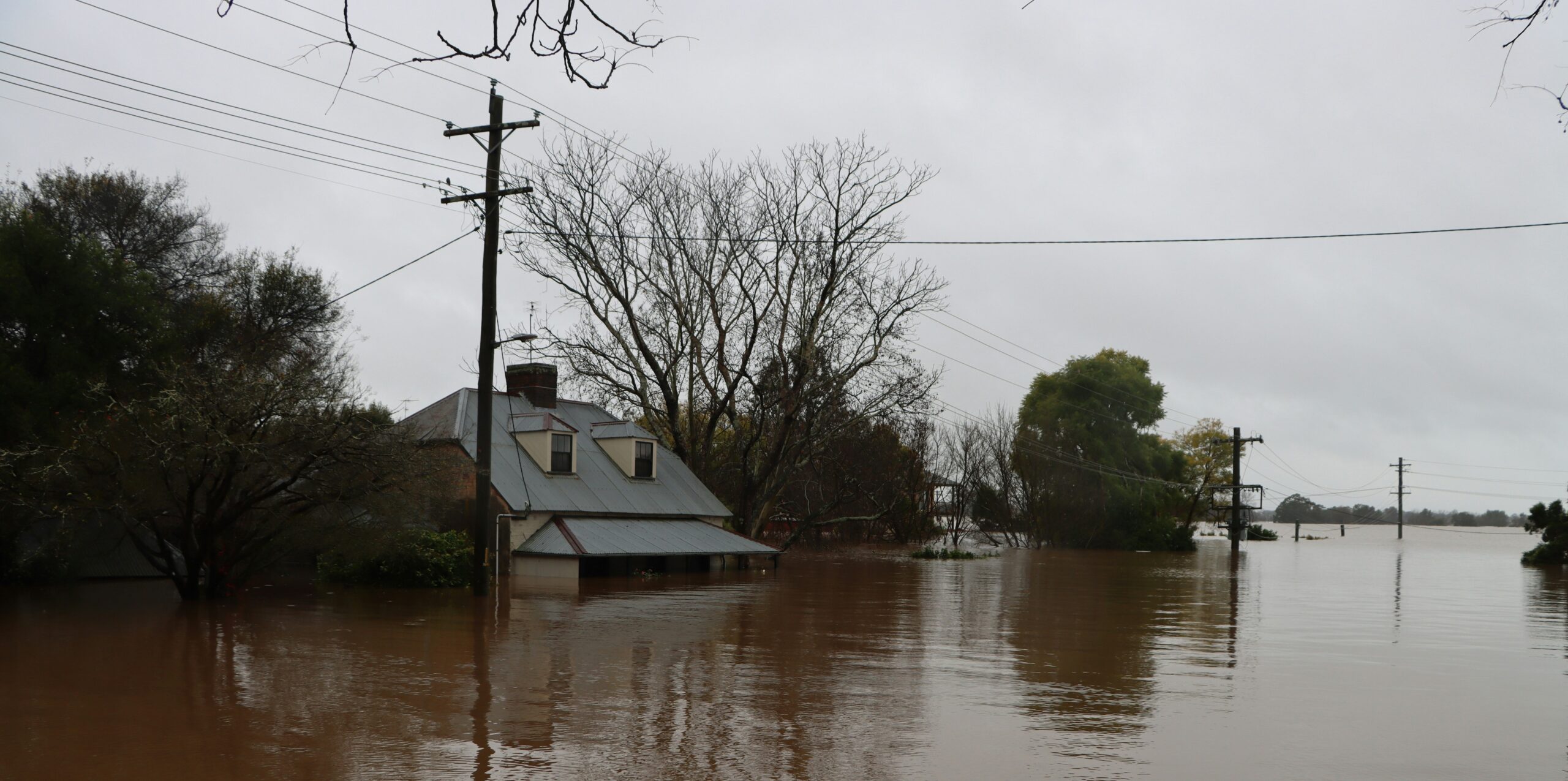
Summary of ASEAN Typhoon in 2025
[Key Takeaways]
- The devastating typhoon season of 2025 highlighted the urgent need for proactive flood risk management across ASEAN. With more than 2,000 fatalities, millions displaced, and damages exceeding $20 billion.
- Climate drivers such as La Niña and El Niño are further intensifying rainfall and storm activity, clearly highlighting the unpredictability of future weather events.
- By identifying site-specific vulnerabilities—such as factory locations, supply chain hubs, and residential floodplains—organizations can implement tailored prevention measures, strengthen business continuity plans, and reduce economic losses.
- A structured flood risk assessment provides actionable insights into exposure levels, preparedness gaps, and mitigation strategies, enabling decision-makers to safeguard assets and ensure resilience against increasingly severe climate disasters.
Introduction
In 2025, ASEAN nations endured one of the most destructive typhoon seasons in recent history, with storms such as Super Typhoon Ragasa, Typhoon Koto, and Cyclonic Storm Senyar causing catastrophic flooding, landslides, and economic losses across Thailand, Vietnam, Malaysia, Indonesia, and the Philippines. Fatalities exceeded 2,000, millions were displaced, and damages surpassed $20 billion, marking the season as a defining climate disaster for Southeast Asia.
Factors Driving Storms in ASEAN
ENSO (El Niño–Southern Oscillation) phenomenon is the factor used to monitor El Niño or La Niña, which reflects changes in sea surface temperatures and atmospheric conditions in the central and eastern Pacific Ocean. El Niño and La Niña are the key factors causing the typhoon season in ASEAN. The table below shows the summary factors to identify El Niño and La Niña.

Source: https://www.climate.gov/enso

Source: https://sealevel.jpl.nasa.gov/overlay-elnino/
Although La Niña is the primary factor that frequently causes storms in ASEAN, these are usually small to medium in scale. In contrast, El Niño can sometimes act as an intensifying factor, leading to severe storms in ASEAN, such as Typhoon Ragasa. This occurs because rainfall patterns are disrupted by influences such as warmer sea surface temperatures (SSTs) in the eastern and central Pacific, which increase the latent heat energy available to storms. Changes in trade winds and wind shear, along with storm tracks shifting eastward, allow storms to form farther out at sea and accumulate energy over warm waters for longer periods before eventually moving toward Southeast Asia.
According to NASA’s ENSO Index (sea-level based), the climate pattern has remained in a La Niña phase since April 2020, with a brief shift into El Niño between June 2023 and February 2024, before returning to La Niña conditions.
In current condition in 2026 according to NOAA: Climate Prediction Center published on 14th May 2026, in May-July 2026, El Niño is likely to emerge (82% chance) and persist through at least February 2027.

Source: https://sealevel.jpl.nasa.gov/overlay-elnino/
The Storm Record of 2025
According to data from NOAA’s Climate Prediction Center (RONI index) published on 16 March 2026, Southeast Asia experienced La Niña conditions in 2025, as indicated by negative sea surface temperature (SST) departures in the Niño 3.4 and Niño 4 regions. These anomalies were associated with increased storm activity and enhanced rainfall across multiple ASEAN countries. Comparative analyses show that accumulated rainfall in 2025 was approximately 20–35% higher than in 2024, which was characterized by El Niño conditions. This assessment is based on reports from NOAA, WMO, ASMC, and national meteorological agencies including the Meteorological Department of Thailand, PAGASA (Philippines), and BMKG (Indonesia).

Figure 3. RONI Index by NOAA’s Climate Prediction Center Figure 4. El Niño monitoring area
Source:
https://www.cpc.ncep.noaa.gov/products/analysis_monitoring/enso_disc_mar2026/figure02.gif
https://www.cpc.ncep.noaa.gov/products/analysis_monitoring/ensostuff/nino_regions.shtml
The findings are consistent with climate trends typically observed during La Niña episodes, particularly in the March–May and September–November seasons, as documented by JMA and global La Niña climatological features.

Created by our company using generative AI

Source: https://www.data.jma.go.jp/cpd/data/elnino/learning/tenkou/sekai2.html
Storm Records in 2025
ASEAN was struck by six super typhoons in 2025, each with wind speeds exceeding 118 km/h. The storms included Ragasa (September 16–25), Bualoi (September 22–29), Matmo (September 30–October 6), Kalmaegi (October 31–November 7), Fung-Wong (November 4–12), and Koto (November 23–December 3). These major storms typically occurred between September and November, a period marked by weak La Niña conditions. Several systems formed farther east over warm waters, allowing them to intensify and extend their lifespans before landfall.
In addition, ASEAN was hit multiple times by tropical storms with wind speeds below 118 km/h, which also caused widespread damage and significant economic losses from heavy rainfall, high winds and significant flooding.

Source: Thai Meteorological Department, https://www.tmd.go.th/en/storms
Manufacturing Sector Economic Impacts
In 2025, several major typhoons — Ragasa, Kalmaegi, Fung-Wong, Bualoi, Matmo, and Koto — struck ASEAN countries, causing widespread flooding and damage to industrial and factory zones, particularly in the Philippines, Vietnam, and Thailand. The most severe impacts were seen in Cebu (Philippines), Central Vietnam, and coastal industrial hubs where manufacturing plants and export facilities were disrupted as present in table below.

Preparedness for Flood/Typhoon Prevention
After identifying site-specific risks, preparedness becomes a crucial element in implementing preventive measures to minimize property loss. Since flooding often results as a consequence of typhoons, comprehensive prevention strategies that address both hazards are essential to mitigating damage across all aspects.
Authorities emphasize that flood and typhoon preparedness can be categorized into four phases, with readiness during the normal phase regarded as the most critical.

Understanding local risks is the foundation for effective preparedness planning. Recognizing the specific vulnerabilities of an area is the first step toward developing appropriate response measures. Proper preparedness enables business operators to minimize potential damage and to respond swiftly to various forms of natural disasters.
Have you assessed and understood the risks in your area?
Summary
The 2025 typhoon season was one of the most destructive in ASEAN’s history, with six super typhoons and multiple tropical storms causing over 2,000 fatalities, millions displaced, and damages exceeding $20 billion. Driven by La Niña conditions, storms intensified over warm waters and struck industrial hubs across the Philippines, Vietnam, Thailand, Malaysia, and Indonesia, disrupting manufacturing and exports. The season underscored the urgent need for proactive flood risk assessments and preparedness planning. By identifying site-specific vulnerabilities and implementing structured prevention measures, governments and businesses can reduce losses, safeguard assets, and strengthen resilience against future climate-driven disasters.
InterRisk Asia (Thailand) Co., Ltd.
Assistant Manager, Akimasa Tsutsumi
Property Risk Consulting Department, Head of Department, Tanaporn Longwech
Reference
- https://www.cpc.ncep.noaa.gov/products/analysis_monitoring/lanina/enso_evolution-status-fcsts-web.pdf
- https://www.data.jma.go.jp/cpd/data/elnino/learning/tenkou/sekai2.html
- https://www.guycarp.com/content/dam/guycarp-rebrand/insights-images/2025/10/10_16_2025_post_event_typoon_ragasa_clean.pdf?utm_source=copilot.com
- https://www.jbarisk.com/knowledge-hub/event-response/typhoons-ragasa-and-bualoi-september-2025/?utm_source=copilot.com
- https://tmd.go.th/warning-and-events/warning-storm/%E0%B8%9E%E0%B8%B2%E0
%B8%A2-%E0%B8%84%E0%B8%A5%E0%B9%81%E0%B8%A1%E0%B8%81%E0%B9%
81%E0%B8%A5%E0%B8%B0%E0%B8%9D%E0%B8%99%E0%B8%95%E0%B8%81%E0
%B8%AB%E0%B8%99%E0%B8%81%E0%B8%96%E0%B8%87%E0%B8%AB%E0%B8%
99%E0%B8%81%E0%B8%A1%E0%B8%B2%E0%B8%81%E0%B8%9A%E0%B8%A3%E0
%B9%80%E0%B8%A7%E0%B8%93%E0%B8%9B%E0%B8%A3%E0%B8%B0%E0%B9%
80%E0%B8%97%E0%B8%A8%E0%B9%84%E0%B8%97%E0%B8%A2-%E0%B8%89%
E0%B8%9A%E0%B8%9A%E0%B8%97-3-323-2569?utm_source=copilot.com - https://www.britannica.com/topic/Super-Typhoon-Fung-wong?utm_source=copilot.com
- https://watchers.news/2025/10/08/typhoon-matmo-unleashes-extreme-rainfall-record-river-crests-in-northern-vietnam/?utm_source=copilot.com
- https://aptfsis.org/uploads/normal/Disaster%20news%202025/13%20TC%20Koto/Tropical
%20cyclone%20Koto.pdf?utm_source=copilot.com - https://tmd.go.th/en/warning-and-events/warning-storm/storm-matmo-no-15-291-2025?utm_source=copilot.com
Our Natural Disaster Services

MS&AD InterRisk Research Institute Co., Ltd. is a risk-related service company of the MS&AD Insurance Group, which conducts consulting related to risk management and research in a wide range of fields. InterRisk Asia (Thailand) Co., Ltd. is a risk management company based in Bangkok, Thailand. We provide various risk consulting services in Southeast Asian countries, including fire risk surveys, natural disaster and industrial accident risk surveys for factories, warehouses, commercial facilities, etc., traffic risks, BCP formulation support, cyber risks, etc. For inquiry, please feel free to contact the information below, or nearest Mitsui Sumitomo Insurance or Aioi Nissay Dowa Insurance sales representatives. MS&AD InterRisk Research & Consulting, Inc. International Section, Risk Management Planning Depertment TEL. +66-(0)-3-5296-8920 https://www.irric.co.jp/en/corporate/index.php InterRisk Asia (Thailand) Co., Ltd. 175 Sathorn City Tower, South Sathorn Road, Thungmahamek, Sathorn, Bangkok, 10120, Thailand TEL: +66-(0)-63-416-1429 FAX: +66-(0)-2679-5278 |
The purpose of this report is to provide our customers with useful information about occupational safety and health management. There is no intention of criticizing any individuals and parties etc. |
Copyright 2026 MS&AD InterRisk Research & Consulting, Inc. All Rights Reserved