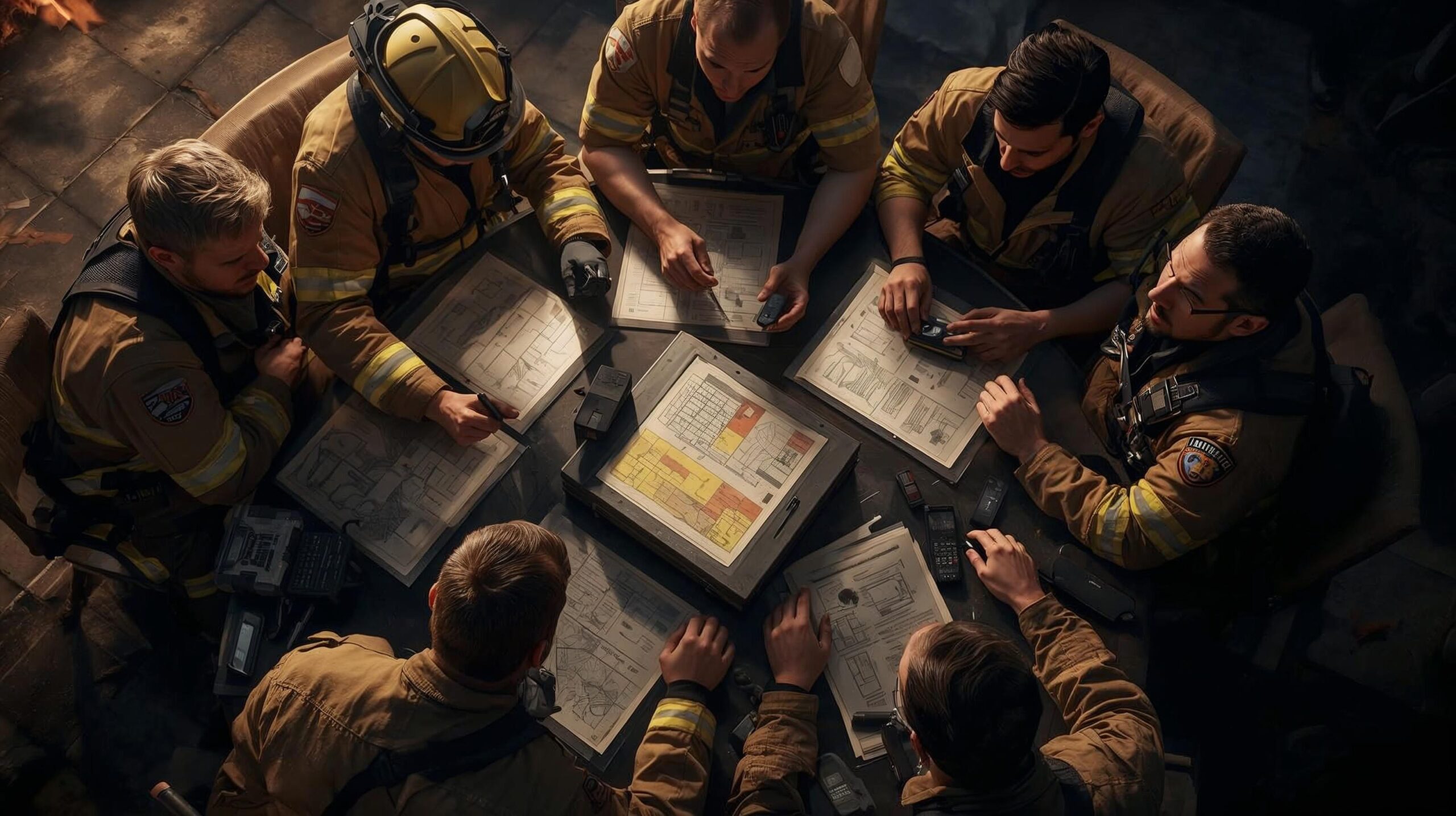
A fire emergency plan is a set of predetermined guidelines and procedures designed to respond effectively in the event of a fire. Its primary objectives are to prevent loss of life, minimize damage to property, and ensure that evacuation is carried out safely and swiftly.
How to Develop an Emergency Plan: Principles and Professional Implementation Steps
HIGHLIGHTS:
● A fire emergency plan is essential for every organization to prevent the loss of life and property, while also reducing panic when a real fire occurs. ● Key components of a fire emergency plan must include evacuation routes, assembly points, alarm systems, firefighting equipment, and a structured response team. ● Drills and awareness-building are crucial. Conduct at least one fire drill per year and train employees to understand the proper procedures during an incident. ● A post-fire recovery plan helps the organization return to normal more quickly, covering assistance for affected individuals, repair of damaged areas, and improvement of preventive measures. |
Fire Emergency Plan and Response During a Fire Incident Crisis management
A fire emergency plan and response during a fire incident consist of several key components to ensure safety and effectiveness, which can be summarized into the following main points.
Initial Emergency Suppression and Fire Control Plan
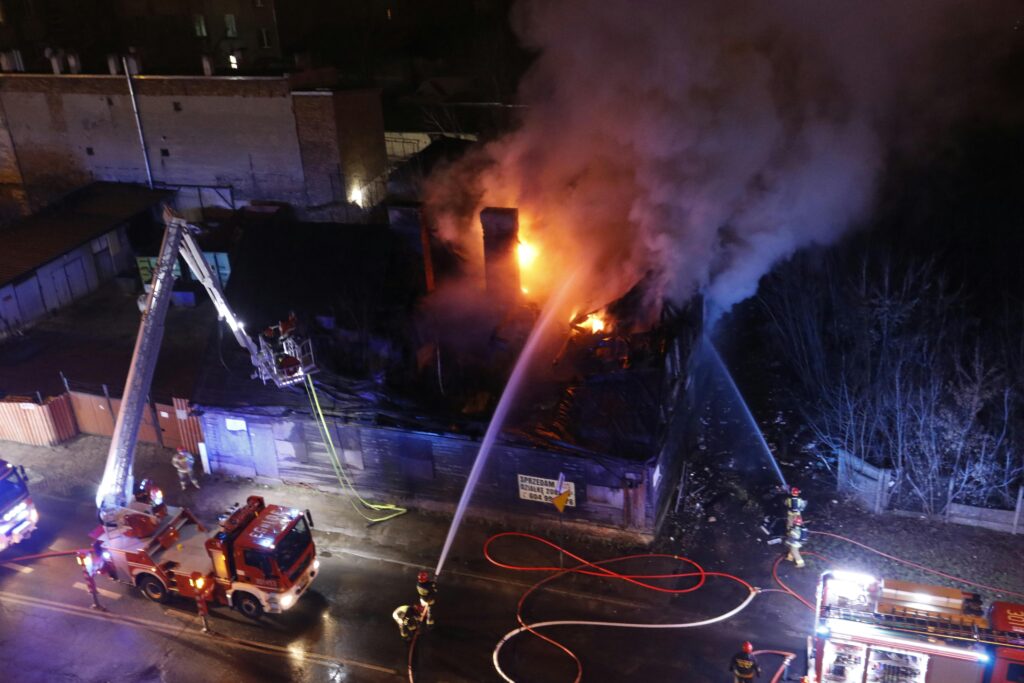
This plan specifies the immediate response steps when a fire occurs, such as activating the alarm, using fire extinguishers correctly (following the PASS principle: Pull, Aim, Squeeze, Sweep), and shutting off electrical or gas sources if it is safe to do so. The objective is to control the fire at its early stage before it spreads, while designating responsible personnel and identifying the necessary equipment.
Emergency Reporting and Coordination Channels
There must be clear reporting channels, such as internal phone numbers, the emergency number 199, automatic alarm systems, and incident-reporting applications. In addition, a primary coordinator should be designated to communicate with the fire department, rescue units, and management to ensure accurate and timely information.
Fire Evacuation Plan and Procedures
Safe evacuation methods must be established, such as avoiding the use of elevators, staying low to reduce smoke inhalation, closing doors when leaving to slow the spread of fire, and following designated routes to the assembly point. Clear manuals or signage should be displayed in all areas to guide these procedures.
Structure and Responsibilities of the Emergency Response Team
This team should have clearly defined roles, such as:
● Emergency Team Leader: Makes decisions and gives commands
● Initial Firefighting Team: Uses fire extinguishers to control the fire
● Evacuation Team: Guides employees out of the building
● First Aid Team: Provides care for the injured
● Communication Team: Reports the incident and provides updates on the situation
Joint drills are therefore essential to ensure coordinated and rapid response to fire incidents.
Safe Evacuation Routes and Assembly Points
Fire escape route maps must be installed at key locations, along with illuminated exit signs and emergency lighting. Assembly points should be located in open areas, safe from fire and smoke, and must not obstruct firefighting operations. The readiness of evacuation routes and assembly points should be regularly inspected.
Emergency plan for the annual fire evacuation drill
The annual fire evacuation drill plan should have clear details to ensure the exercise is safe and effective, and should include the following:
Objectives of the drill:
• To build familiarity with evacuation routes and assembly points.
• To test the readiness of alarm systems and firefighting equipment.
• To evaluate the performance of the emergency response team.
Pre-Drill Planning
• Clearly define the date, time, and area for the drill
• Notify employees in advance to prevent panic
• Check equipment such as alarms, emergency lights, and exit signs
• Assign an observation team to record timing and any issues encountered
Drill Procedures
• Begin by simulating a fire incident (e.g., activating the alarm)
• Evacuate along the designated routes, avoid using elevators, and stay low if there is smoke
• Gather at the assembly point and check the headcount
• Report the results of the drill, such as evacuation time and any issues encountered
Evaluation and Improvement
• Summarize the results of the drill and identify shortcomings
• Revise the emergency plan and evacuation routes based on recommendations
• Schedule the next drill (at least once a year)
How can fire prevention plans be implemented?
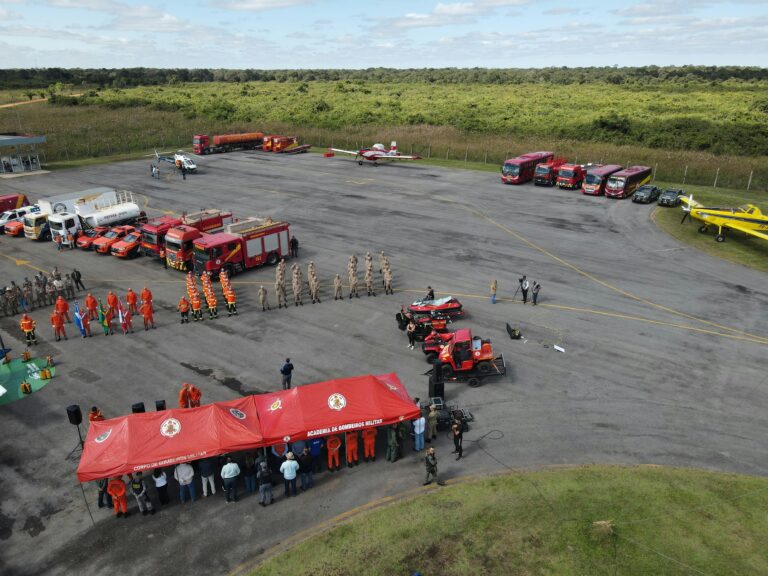
Fire prevention and suppression plans are proactive measures that help reduce the risk of fire and its consequences. They can be implemented in several ways, as follows:
Training plans to raise awareness of fire prevention and suppression
This plan focuses on educating employees about the causes of fire, prevention methods, and the correct use of firefighting equipment, such as teaching the principles of using fire extinguishers and practicing real-life scenarios. Training should be conducted regularly, with comprehension tests included, to build a culture of safety within the organization.
Fire Safety Awareness and Publicity Campaign Plan
This involves communication to raise awareness and encourage everyone to recognize the importance of fire prevention. Examples include posting posters in high-risk areas, sending email alerts, organizing safety awareness days, or sharing short video clips on fire prevention and evacuation methods, ensuring that information is easily accessible and continuously reinforced.
Inspection and Maintenance Plan for Fire Prevention
This plan covers the inspection of equipment and systems related to fire prevention, such as electrical systems, alarm systems, fire extinguishers, and sprinklers. A scheduled inspection timetable must be established, with records of inspection results and maintenance activities, to ensure that all equipment is ready for use in the event of an actual fire.
Post -Fire Management and Recovery Plan

This plan provides guidelines for post-fire operations to mitigate impacts and restore organizational activities to normal. It covers assistance for affected individuals, repair of damaged areas, and improvement of preventive measures to avoid recurrence. Detailed procedures are often included in the Business Continuity Plan (BCP).
Recovery and Restoration Plan for Facilities/
Operations
• Assess the damage to buildings and equipment
• Carry out repairs and clean affected areas
• Conduct safety inspections before resuming use
• Improve fire prevention and suppression plans, as well as safety systems, based on lessons learned
• Prepare a summary report of the incident and future prevention measures
Relief and Assistance Plan for
Fire Victims
• Prepare safe areas for temporary shelter
• Provide food, drinking water, and essential supplies for those affected
• Organize first aid teams and psychological support services
• Coordinate with government agencies and aid organizations for additional support
Free Download example of fire emergency plan from InterRisk Asia
To enhance safety and preparedness for disasters, Interrisk Asia has created a sample fire emergency plan in PDF format, available for free download. This serves as an easy-to-understand example covering preparations before, during, and after an incident.
Frequently Asked Questions (FAQs)
Why must organizations have a fire emergency plan?
Because an emergency plan helps reduce the loss of life and property during a fire, ensures safe and rapid evacuation, and is also a requirement under laws and safety standards such as NFPA or FM Global.
What should a fire emergency plan include?
A fire emergency plan should include:
- Evacuation routes, fire evacuation procedures, and assembly points
- Alarm systems and firefighting equipment
- Incident reporting and evacuation procedures
- Structure of the emergency response team
- Drill and Review/Improvement Plan
How often should a fire emergency plan be practiced?
Drills should be conducted at least once a year, or more frequently if the plan is updated or new employees join, to ensure everyone is familiar with the procedures and evacuation routes, as well as to test the readiness of equipment and alarm systems.
Develop a comprehensive fire emergency plan with full fire risk assessment in collaboration with InterRisk Asia
Having a fire emergency plan is not just a legal requirement, but an investment in the safety of lives and property within the organization. A good plan must cover prevention, response, and post-incident recovery, along with regular drills and continuous awareness-building.
InterRisk Asia (Thailand) is a company specializing in risk management, offering services ranging from emergency plan development, risk assessment, training to consultancy. Their expertise covers a wide range of industries, including manufacturing plants, service businesses, and large organizations.
End-to-end consulting for the development of a robust BCMS, with pathways to ISO 22301 certification
Specialized training programs designed for both management and staff to enhance awareness and competency in BCMS practices.
Analysis of operational risks and disruption impacts to inform the development of targeted continuity strategies.
Structured exercises to validate your BCP and strengthen organizational preparedness and response capabilities.
Experienced consultants with hands-on BCMS expertise
Customized planning tailored to your business context.
Practical tools and templates, with expert support for testing and improvement.