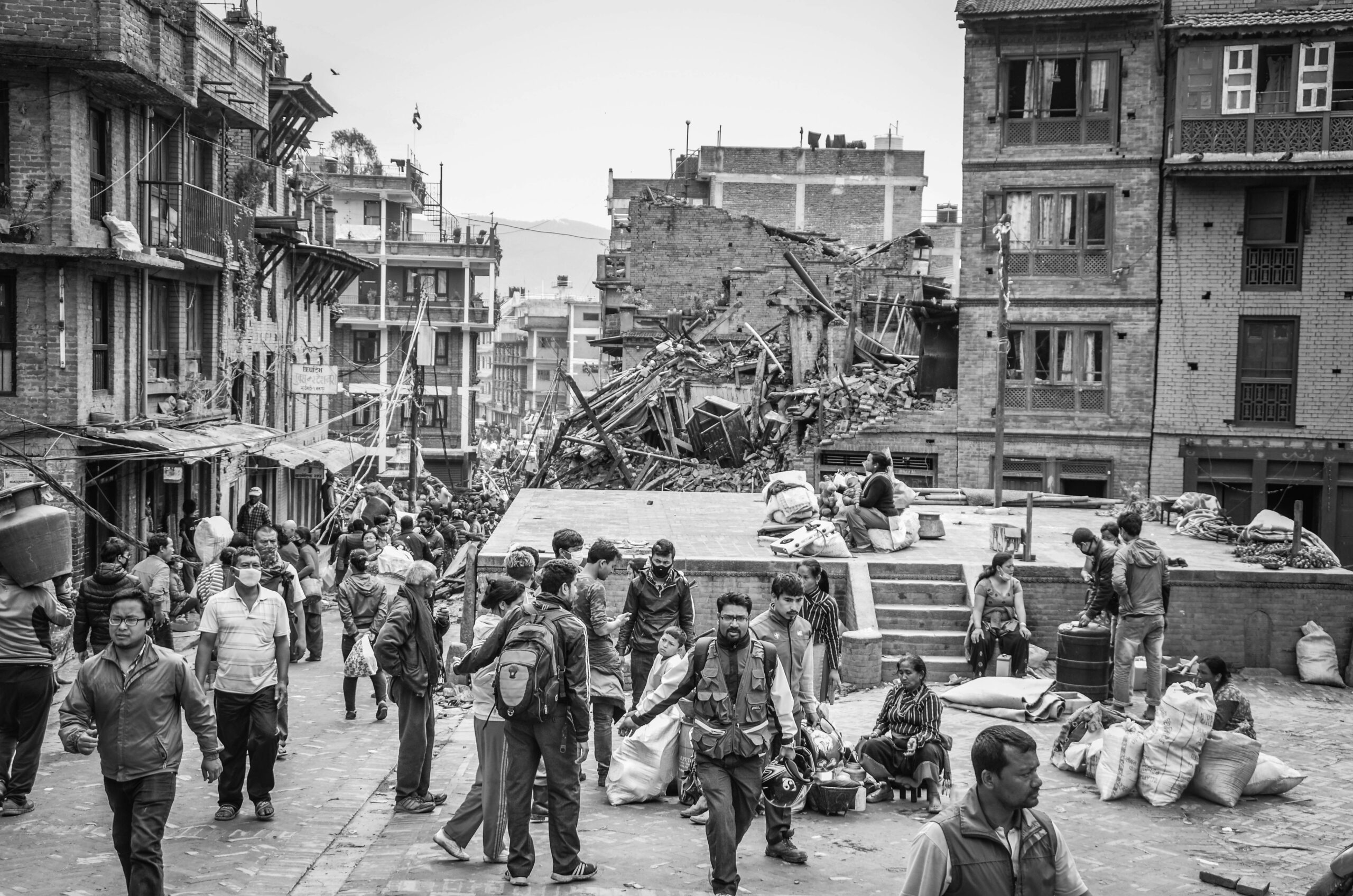
Natural disasters can strike at any moment without warning. Having a clear and easy-to-understand Earthquake Emergency Plan ensures that everyone knows how to respond safely. It helps reduce risks to lives and property while building confidence that both employees and businesses can navigate such events in an organized and systematic way.
HIGHLIGHTS:
● Earthquake Emergency Plan is something every organization should prioritize, as it helps reduce risks to both lives and property. A well-designed plan must cover three critical stages:preparedness before an earthquake, actions during the tremors, and recovery measures after the event. With such a plan in place, everyone will know how to respond systematically and safely, ensuring maximum protection for people and assets. ● Understanding the causes and prevention of earthquakes, along with sharing safety information during such events, helps raise awareness and increases the chances of survival. Educating employees is therefore at the heart of effective disaster preparedness, ensuring that everyone is equipped with the knowledge to respond safely and systematically. ● Establishing designated assembly points and conducting regular evacuation drills are essential measures to reduce confusion, enhance organization, and ensure that everyone knows exactly what to do during an earthquake. Frequent practice helps build familiarity and minimizes panic when facing real-life situations, creating a safer and more prepared environment for all. ● An emergency response team structure—consisting of roles such as the commander, evacuation team, and communication team—must work together efficiently to ensure rapid and safe assistance during a crisis. Clear role assignments help everyone understand their responsibilities, enabling smooth collaboration and effective management of emergency situations. ● Regularly reviewing and updating earthquake emergency plans —based on lessons learned and Risk assessment—ensures that the plan remains current and ready to address future disasters. Adapting the plan to evolving environments and changing building structures is essential to maintain the highest level of safety and preparedness. |
Basis knowledge about earthquake
Earthquakes are among the most destructive natural disasters, caused by the shifting of the Earth’s crust. They can inflict enormous damage on both lives and property. The earthquake’s origin point, known as the focus, is where the tremors begin underground before spreading outward to surrounding areas. The intensity of these tremors depends largely on the depth and magnitude of the crustal movement.
Another crucial step is establishing an Emergency plan so that everyone knows exactly what to do when an earthquake strikes. This includes evacuating to open areas, avoiding the use of elevators, and relying on text messages instead of phone calls for communication. These fundamental guidelines equip us to respond to earthquakes in a more organized and safer manner, ensuring readiness and protection for all.
Emergency Response Team Structure and Key Roles in an Earthquake Emergency Plan
When dealing with earthquake disasters, having a well-defined emergency response team structure is crucial. It ensures that everyone understands their roles and responsibilities, reduces confusion, and enhances the efficiency of providing timely assistance to those affected. A clear framework empowers teams to act quickly and safely, making disaster response more organized and effective.

Emergency Response Team and Key Responsibilities
Incident Commander
Serves as the top decision-maker, defining operational direction and coordinating with external agencies.
Assessment Team
Conduct inspections of building and area damage, and provide safety reports during earthquakes to inform decision-making.
Evacuation and Safety Team
Coordinate evacuation routes and assembly points, offering instructions on appropriate actions during an earthquake to safeguard all individuals.
Medical and First Aid Team
Deliver initial assistance to the injured and coordinate with hospitals or emergency medical services.
Communication Team
Communicate earthquake safety information to the public and staff, and coordinate with external agencies and the media.
Support Team
Provide survival supplies, drinking water, food, and essential tools, while ensuring resources are distributed adequately and equitably.
Recovery Team
Carry out post-incident repairs and recovery, while planning preventive measures and improving the emergency plan for greater effectiveness.
Measurement for assembly point when an earthquake occurs
An assembly point is a designated area where people gather after evacuating from buildings or hazardous zones during an earthquake. These points are typically open spaces, free from the risk of collapsing structures, power poles, or falling objects, ensuring safety and order in the aftermath of a disaster.
Having designated assembly points is vital for reducing confusion and panic during an earthquake. They allow for quick headcounts, facilitate assistance, and improve communication with emergency response teams. Clearly defining and publicizing these assembly points is a critical measure in any earthquake emergency plan, ensuring that everyone knows where to go and what to do when a real incident occurs.
Earthquake Emergency Response Plan in an Earthquake Emergency Plan

Having a well-defined earthquake emergency plan is crucial to ensure that everyone knows how to respond in an organized manner, reducing risks to both lives and property. This content will explain the key steps and measures that should be included in an earthquake emergency plan, providing practical guidance for preparedness and safety.
Measures and Procedures "Before" an Earthquake Occurs
- Study the causes and prevention of earthquakes to understand risks and improve readiness.
- Develop an emergency plan for families or organizations, including safe evacuation routes and designated assembly points.
- Secure belongings and prepare survival supplies such as drinking water, dried food, flashlights, and first aid kits.
- Publish earthquake safety information so that everyone at home or in the workplace shares a common understanding.
Measures and Procedures "During" an Earthquake
- Follow earthquake safety guidelines such as dropping down, taking cover, and holding onto stable objects.
- Avoid staying near windows or items that could fall and cause injury.
- Do not use elevators for evacuation; move quickly to open and safe areas instead.
- Answer the critical question of what to do during an earthquake by following the practiced steps outlined in the emergency plan.
Measures and Procedures "After" an Earthquake
- Inspect building and surrounding area damage and report findings to the emergency response team.
- Assess the affected area based on the earthquake’s epicenter, the point where tremors originate, to analyze impacts.
- Provide assistance to the injured and coordinate with external agencies for medical and emergency support.
- Restore and improve the earthquake emergency plan to enhance preparedness and effectiveness for future incidents.
Free Download Example of earthquake emergency plan from InterRisk
To enhance safety and preparedness for disaster response, Interrisk Asia has created a sample earthquake emergency plan available as a free PDF download. This example is designed to be easy to understand and covers all stages of preparedness — before, during, and after an earthquake.
Frequently Asked Questions (FAQs)
What should be done with items inside a building during an earthquake?
If an earthquake occurs while you are inside a building, avoid staying near windows, cabinets, or hanging objects. Take cover under a sturdy table or furniture that can protect you from falling items. Do not rush outside immediately, as you may be hit by falling glass or debris. It is safer to wait until the shaking stops before evacuating.
What should you do if you are driving when an earthquake occurs?
If an earthquake occurs while you are driving, the first step is to stay calm and avoid panic. Carefully steer your vehicle to the side of the road and stop in an open, safe area. Avoid parking near tall buildings, utility poles, or bridges. Remain stopped until the shaking has completely subsided before continuing to drive.
What should be the first action after the shaking stops?
The very first step is to stay calm and maintain composure. Check your surroundings for safety, then evacuate promptly to an open area or a designated assembly point. This helps avoid dangers from collapsing structures or possible aftershocks. Remember, keeping calm is essential — never forget it.
Earthquake Emergency Plan and Preventive Guidelines from InterRisk Asia
A clear earthquake emergency plan is essential for reducing risks and enhancing safety, both at the family and organizational levels. The plan should cover all stages — from preparedness before an incident, actions during the shaking, to recovery measures afterward. With such a plan, everyone will know exactly what to do when an earthquake occurs and can respond in a systematic and organized manner.
InterRisk Asia (Thailand) is a company specializing in Risk Management. The services range from developing emergency plans, Risk Assessment, Trainingาร to offering Consulting solutions. The company’s expertise covers a wide variety of industries, including manufacturing plants, service businesses, and large organizations.
End-to-end consulting for the development of a robust BCMS, with pathways to ISO 22301 certification
Specialized training programs designed for both management and staff to enhance awareness and competency in BCMS practices.
Analysis of operational risks and disruption impacts to inform the development of targeted continuity strategies.
Structured exercises to validate your BCP and strengthen organizational preparedness and response capabilities.
Experienced consultants with hands-on BCMS expertise
Customized planning tailored to your business context.
Practical tools and templates, with expert support for testing and improvement.