In today’s era where everything is interconnected through technology, “Cyber Threat” have become a problem closer to us than we might think. From individuals and small businesses to national-level organizations, everyone can be a target of cyber attacks.
Many people may still be unaware of what cyber threats are and the different forms they can take. These dangers often hide in emails, fake links, or even in the applications we use every day. Modern computer and software threats are no longer limited to viruses or malware; they now include new forms such as phishing, ransomware, and identity theft. These are serious threats to both users and systems, capable of causing massive damage if proper cybersecurity measure are not in place.
HIGHLIGHTS:
● Cyber Threat refers to any action that uses information systems or computer networks to cause damage to data, systems, or organizations. Examples include system hacking, malware distribution, or attacks designed to crash and disable systems. ● Today, computer threats have become increasingly diverse. Examples include Malware, Bot, Ransomware, Trojan, Virus, Worm , and many others that continue to evolve and spread rapidly. ● Software threats often appear in many forms, ranging from infiltrating systems to steal or destroy data, taking control of users’ devices, to tricking individuals into revealing their personal information. ● Cyber threats affect more than just technology — they can also damage reputation and trust in the digital world. Being aware of these risks and understanding effective cybersecurity practices can significantly reduce potential harm. |
What is Cyber Threats ? Hidden Dangers in the Digital World
Cyber Threat is an act aimed at attacking or interfering with digital systems to gain access, destroy, or steal critical information from individuals and organizations. ทุToday, almost all of our personal data exists online, and cybercriminals don’t need to face their victims directly. They can launch attacks against countless people simultaneously, from anywhere in the world, 24 hours a day. Often, a cyber threat begins with just a split second of carelessness.
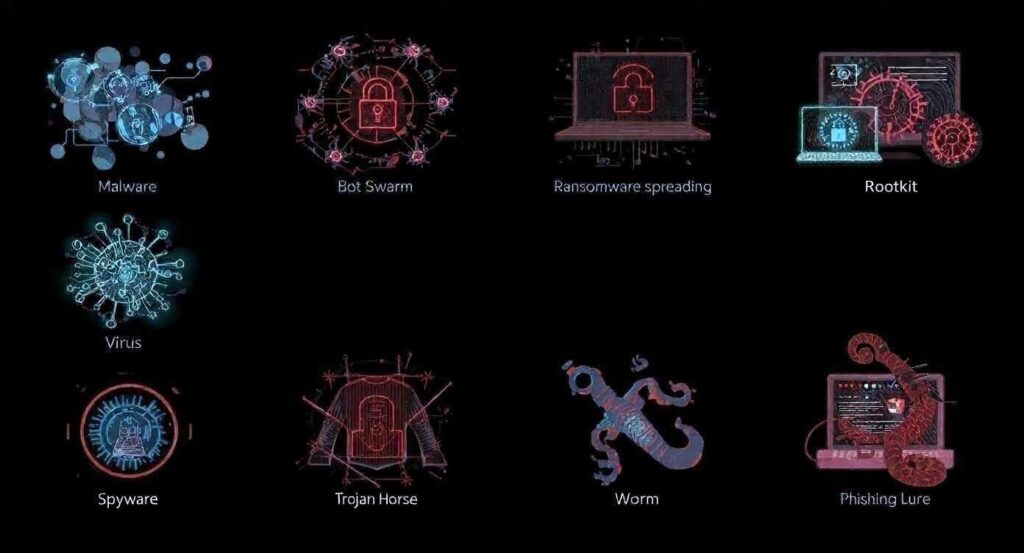
Deep Dive into 9 Common Cyber Threats Today
Understanding the different types of cyber threats is essential for developing effective measures to defend against and prevent cyber attacks.
Malware
Malware refers to software or programs that infiltrate computer systems to damage or steal data. The term Malware comes from Malicious Software, meaning software with harmful intent. It is one of the most common computer threats and often serves as the entry point for cyber attacks.
Bot
The term Bot comes from Robot and refers to an automated program designed to perform repetitive tasks quickly without constant human supervision. Bots can also be controlled remotely to take over victims’ devices. They are often used to spread threats across systems, send spam, or launch DDoS (Distributed Denial of Service) attacks, which can crash entire networks.
Ransomware
This type of cyber threat targets victims by locking their files or data systems and then demanding a ransom in exchange for unlocking them. Ransomware is considered one of the most dangerous threats to both users and organizations, often causing severe economic damage
Virus
A computer virus spreads from one file to another, requiring the user to open a file or run a program before it can activate. Its primary purpose is to damage data or disrupt system operations. Computer viruses are among the oldest and most persistent threats in the digital world.
Trojan or Trojan Hourse
A Trojan is a dangerous software threat because it is difficult to detect. It disguises itself as a seemingly safe program while hiding malicious code that allows hackers to gain access to the system. Unlike viruses, which spread by attaching themselves to files once executed, Trojans rely on tricking users into installing them. Once installed, they begin to cause harm within the device.
Worm
Similar to a virus but without relying on host files or user actions, a worm can replicate and spread across the internet on its own. Worms often slow down systems and consume large amounts of resources, making them highly disruptive threats.
Rootkit
A rootkit is designed to hide the presence and activity of malware within an operating system, making it extremely difficult for administrators to detect — almost like having a “ghost hacker” inside the machine. Rootkits can infiltrate a system through Trojans, pirated software, unpatched vulnerabilities, malicious files, or even direct attacks from hackers. They pose a serious threat to complex information systems and are notoriously difficult to remove.
Spyware
Spyware is designed to secretly monitor or collect user activity, such as passwords, browsing history, and online behavior, without permission. The stolen information is then sent back to malicious actors. This type of cyber threat directly compromises user privacy and poses serious risks to both individuals and systems.
Phishing
Phishing is an online scam in which malicious actors attempt to “bait” victims by impersonating trusted organizations or individuals. The goal is to trick users into revealing sensitive information such as passwords, credit card details, or one-time passcodes (OTPs), often through fake emails, fraudulent websites, or malicious file downloads. Phishing is one of the most common forms of cybercrime today and can cause severe damage to both individuals and organizations.
How to protect from Cyber Threat
To cope with today’s cyber threats, knowing how to protect yourself from computer attacks is essential for both individuals and organizations. Preparing appropriate measures as outlined below can effectively reduce the risks of cyber attacks and safeguard users and systems.
Keep systems and software updated regularly
Regularly update your operating system to protect against software threats and vulnerabilities that could be exploited.
Use strong, unique passwords
Set strong passwords and enable Two-Factor Authentication (2FA) to reduce the risk of unauthorized access to accounts or personal data.
Back up data frequently
Back up data frequently to minimize damage from ransomware or other cyber threats targeting information systems.
Use antivirus and threat detection software
Security/Antivirus programs help protect against malware, Trojans, worms, and other computer threats.
Be cautious when clicking links or opening unknown attachments
Phishing prevention practices reduce risks to both users and systems.
Provide training and raise security awareness
Educating users about cyber threats and attack methods helps lower organizational risk and build stronger security awareness.


Frequently Asked Questions (FAQs)
How can you tell if an email you receive is a phishing email?
You can recognize it from fake links and unusual email addresses, such as those that are excessively long or contain abnormal characters. They may also use deceptive tricks, like replacing the letter “o” with the number “0”, or include urgent messages that pressure you to enter information within a limited time.
What should you do if you become a victim of a cyber threat?
You should immediately change your password, promptly notify the system administrator, and scan your device with anti-malware software to limit the damage caused by a cyber attack.
How does encryption help protect against cyber threats?
Encryption makes encrypted data unreadable to malicious actors. It hides information from unauthorized parties, prevents data from being altered without detection, and helps verify the identity of the person you are communicating with.
Cybersecurity Threats and Preventive Strategies from InterRisk Asia
Prevention and preparedness not only reduce technological risks but also enhance data security and strengthen organizational trust in the online world. This makes cyber threats less intimidating, as they can be managed systematically and effectively.
InterRisk Asia (Thailand) is a company specializing in Risk Management. Services range from emergency planning, Risk Assessment, Training, and Consulting covering a wide variety of industries such as manufacturing, hospitals, service businesses, and large organizations.
End-to-end consulting for the development of a robust BCMS, with pathways to ISO 22301 certification
Specialized training programs designed for both management and staff to enhance awareness and competency in BCMS practices.
Analysis of operational risks and disruption impacts to inform the development of targeted continuity strategies.
Structured exercises to validate your BCP and strengthen organizational preparedness and response capabilities.
Experienced consultants with hands-on BCMS expertise
Customized planning tailored to your business context.
Practical tools and templates, with expert support for testing and improvement.