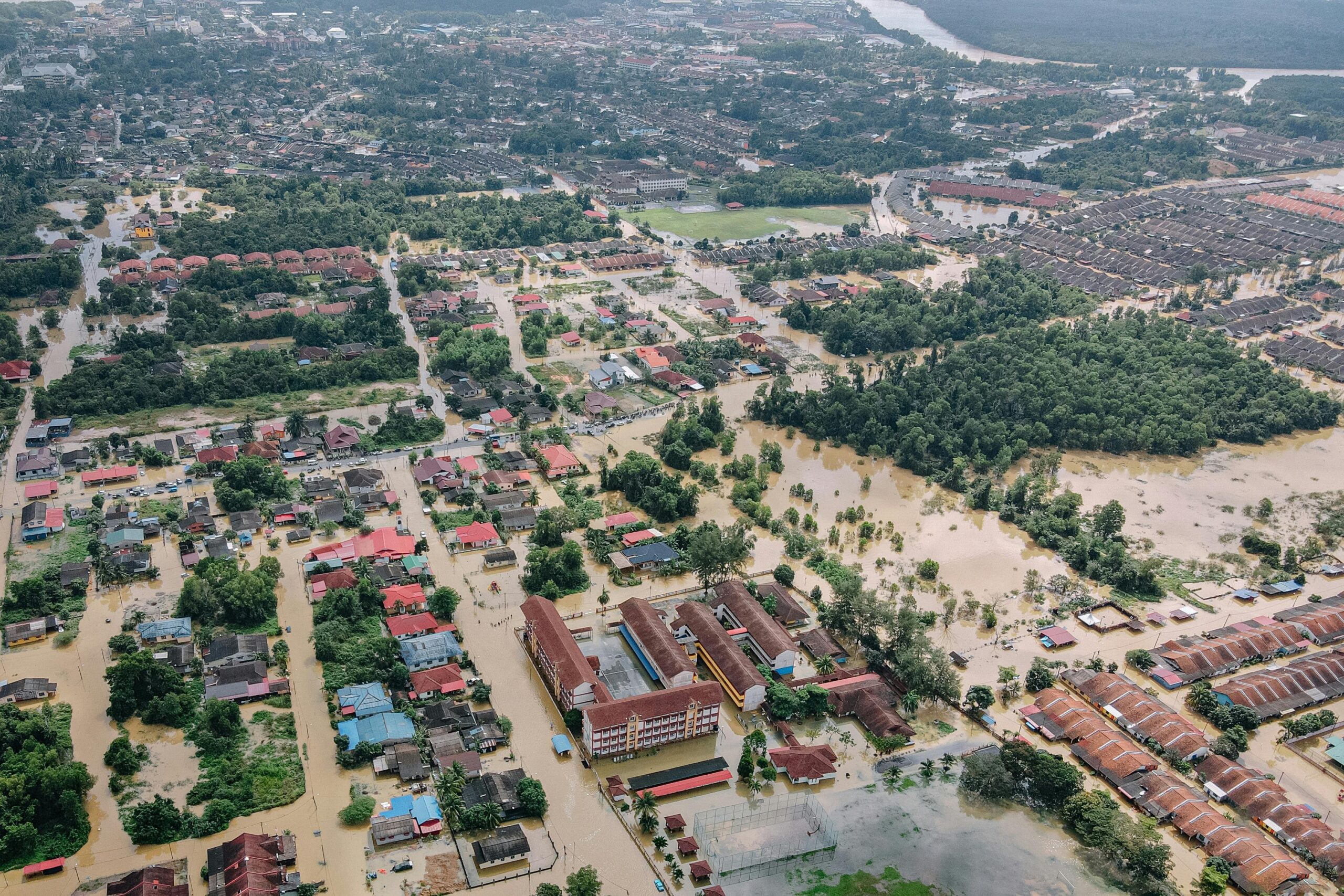
A Flood Emergency Plan for Factories is a crucial measure for factories to effectively respond to floods caused by various factors such as heavy rainfall or sudden flash floods. Without an emergency plan, factories may suffer severe flood impacts that threaten lives, damage machinery, and disrupt production.
Developing a comprehensive emergency plan that covers flood risk assessment, causes, impacts, solutions, preventive measures, and communication during emergencies will help reduce damage and minimize the impact on business operations efficiently.
HIGHLIGHTS:
● Pre-Flood Planning Is Crucial Factories must establish and regularly review their emergency plans for flood, designate responsible teams, conduct drills, and coordinate with external agencies to ensure readiness for sudden situations. ● Risk Assessment and Monitoring Help Reduce Flood Risks Conducting risk assessments and continuous monitoring are essential to minimize flood risks. Utilize hazard maps, weather indices (such as ENSO and monsoon patterns), and real-time sensor alert systems to forecast and track flood situations effectively. ● Protective Measures for Machinery, Electric Equipment, and Chemicals are essential. Elevating equipment, installing flood barriers, using drainage pumps, and preparing PPE are necessary steps to reduce the impact on production, safety, and the environment. ● Strict Compliance with the BCP Plan During Floods issue emergency alerts and evacuations, shut down critical systems, safeguard products and chemicals, coordinate with external agencies, and record evidence for plan improvement and insurance claims. ● Post-Flood Recovery Must Be Safe and Systematic. After a flood, recovery must be carried out safely and in an organized manner. This includes inspecting and cleaning machinery, testing electrical equipment, and properly handling chemical leaks to prevent accidents, minimize environmental impacts, and support the return to normal operations. |
How Should Factories Prepare a Flood Emergency Plan Before a Disaster Occurs?
Flood emergency plans are necessary for industrial factories, especially during the rainy season when heavy and prolonged rainfall can lead to sudden flash floods. Such floods may cause severe problems and impacts on production, machinery, and operations. Having a well-prepared emergency plan helps reduce the effects of flooding and enables faster recovery.
Developing and Reviewing Flood Emergency Response Plans
Floods are caused by river overflows and water inundation. Developing an emergency plan in factories requires clearly defined responsible teams, covering procedures for alerts, evacuation, and recovery, along with appropriate flood prevention measures. The plan should be reviewed annually before the rainy season, with drills conducted to address flooding problems, causes, impacts, and solutions, while coordinating with external agencies. These flood prevention measures help factories remain prepared to respond promptly to sudden floods.
Flood Risk Assessment and Situation Monitoring
Flood prevention starts with risk assessment from 100-year or 500-year flood scenarios, using hazard maps and weather indices such as ENSO (a term that combines the El Niño phenomenon with the Southern Oscillation in the Southern Hemisphere) or monsoon patterns to forecast rainfall. This involves analyzing flood causes, predicting impacts based on weather data, and continuously monitoring flood risks. Installing water-level sensors and real-time alert systems, in line with flood prevention guidelines from the Meteorological Department and GISDA, further strengthens preparedness.
Protective Measures for Machinery, Electrical Equipment, and Chemicals
Flood prevention measures for machinery include elevating electrical equipment and chemicals to higher ground, using water barriers, drainage channels, and pumps to prevent water accumulation. Factories should also check for chemical leaks and prepare PPE for workers to ensure safety and minimize environmental impacts. After a flood, proper cleaning and damage inspection measures should be implemented to restore operations and return to normal conditions as quickly as possible.

How Should Factories Follow Their Flood Emergency Plan During a Disaster?
During floods or sudden flash floods, factories must promptly implement their flood emergency plan to minimize impacts on lives and property, and to manage flood-related problems in a systematic way. The recommended actions are as follows:
Emergency Alerts and Evacuation
Issue emergency alerts right away through messages, sound signals, or other methods specified in the emergency plan. Relocate critical machinery and stock to higher or safer areas, and evacuate employees to elevated zones.
Shut Down Critical Systems
Cut off electricity, gas, and water to protect machinery and reduce the risk of short circuits or explosions. Ensure that all systems are properly shut down by assigned personnel, and record the shutdown procedures for later verification.
Protect Products and Chemicals
Move essential products and chemicals to higher ground, and use water barriers and drainage pumps to reduce flooding and water accumulation.
Coordinate with External Agencies
Contact government authorities, industrial estate offices, or rescue teams to coordinate manpower, equipment, and additional evacuation support if the situation becomes severe.
Monitoring and Recording
Continuously monitor water levels to assess severity and adjust plans accordingly. Record evidence such as photos, videos of damages, and water levels to improve the factory’s flood emergency plan and to support insurance claims.

Post-Flood Safety and Recovery Measures
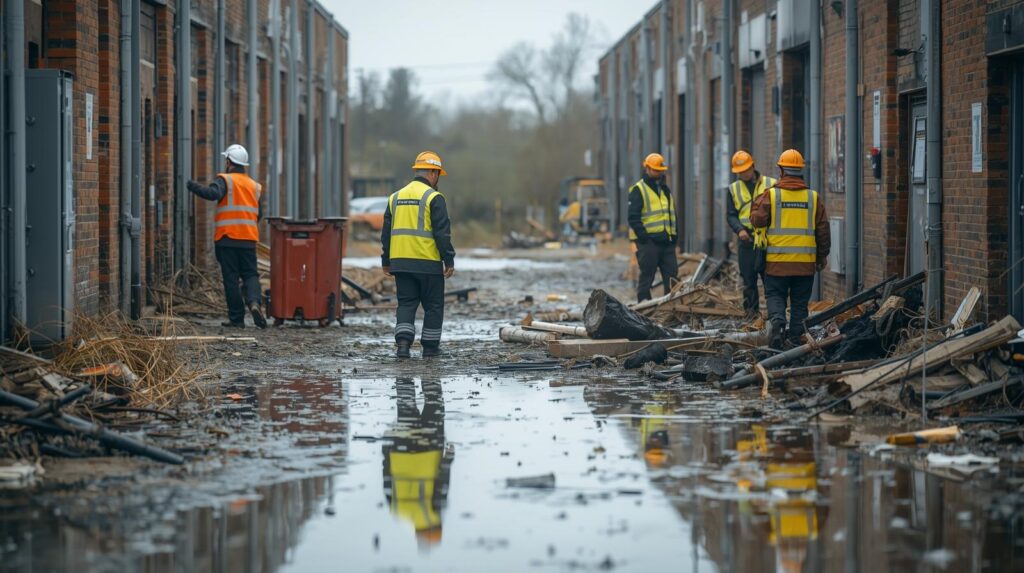
After a flood, factories must strictly follow their flood emergency plan to ensure maximum safety. Once the water recedes and the situation stabilizes, recovery efforts should be accelerated in line with the emergency plan, focusing on minimizing flood impacts and preventing repeated mistakes.
Machines
● Damage Inspection: Floods may leave behind sediment, mud, and rust that affect machinery performance. ● Cleaning: Use cleaning agents and anti-rust chemicals to extend equipment lifespan, or consider outsourcing cleaning services. ● Step-by-Step Testing: Have experts check mechanical and electrical systems to confirm safety before resuming full operation. Floods can damage electrical and mechanical systems of machinery. If restarted without proper inspection, accidents or fires may occur.
Electrical Equipment
● Immediate Power Cut-Off: Disconnect electricity to prevent short circuits or electric shocks that may occur after flooding. ● Moisture and Damage Inspection: Use moisture meters to check wiring, control cabinets, and circuit boards to assess damage and repair costs. ● Replace Damaged Components: Such as cables, switches, and any equipment that cannot be safely used. ● Electrical Testing: Conduct system tests to ensure there are no risks before resuming operation. Electrical equipment is highly vulnerable to short circuits, fires, or electric shocks. Therefore, thorough inspection and testing are essential before use.
Chemical
● Leak Inspection: Floods may damage chemical containers or storage tanks, leading to contamination. ● Immediate Containment: Use absorbent materials and establish restricted zones to ensure worker safety. ● Chemical Spill Removal: Prevent environmental and health impacts, as well as avoid legal penalties. ● Documentation and Plan Improvement: Record incidents as lessons learned to strengthen future emergency plans. Floods can cause chemical containers to leak or become contaminated. Without proper inspection, this may pose serious risks to personnel and the environment.
Free Download Example of a Factory Flood Emergency Plan from InterRisk Asia
This factory flood emergency plan is an example draft provided in PDF format, available for free download as a guideline. It can be adapted to fit the organization’s context, helping factories prepare effectively and reduce the impacts of flooding.
Frequently Asked Questions (FAQs)
Why Do Factories Need a Flood Emergency Plan?
This factory flood emergency plan helps ensure a systematic response to flooding, protecting lives, machinery, and property, while reducing impacts on production and business operations.
What Flood Warning Signals Should Factories Use?
Factories should use flood warning signals such as water-level sensors, sirens with flashing lights, and mobile alerts to provide public announcements and immediate evacuation instructions.
Who Is the Primary Responsible Person in an Emergency Situation?
The primary person responsible during emergencies is the Emergency Team Leader, supported by safety, communication, and technical/engineering teams to carry out the plan effectively.
How Often Should Factories Conduct Emergency Plan Drills?
Factories should conduct flood emergency drills at least once a year before the rainy, with additional drills whenever the plan is updated or after an actual incident, to ensure everyone is well-prepared and able to respond efficiently.
Be Prepared for Any Flood Situation with the Factory Flood Emergency Plan from InterRisk Asia
Having a factory flood emergency plan is crucial for effectively responding to floods. Without such a plan, factories may face severe flood impacts on lives and property.
InterRisk Asia is a specialist company in developing emergency plans and conducting business impact analysis. Its expertise covers flood problem assessment, causes, impacts, and solutions, as well as designing flood prevention and mitigation strategies. The company also provides BCP training and comprehensive consulting services across multiple industries, helping organizations prepare, minimize impacts, and recover their businesses with confidence.
End-to-end consulting for the development of a robust BCMS, with pathways to ISO 22301 certification
Specialized training programs designed for both management and staff to enhance awareness and competency in BCMS practices.
Analysis of operational risks and disruption impacts to inform the development of targeted continuity strategies.
Structured exercises to validate your BCP and strengthen organizational preparedness and response capabilities.
Experienced consultants with hands-on BCMS expertise
Customized planning tailored to your business context.
Practical tools and templates, with expert support for testing and improvement.