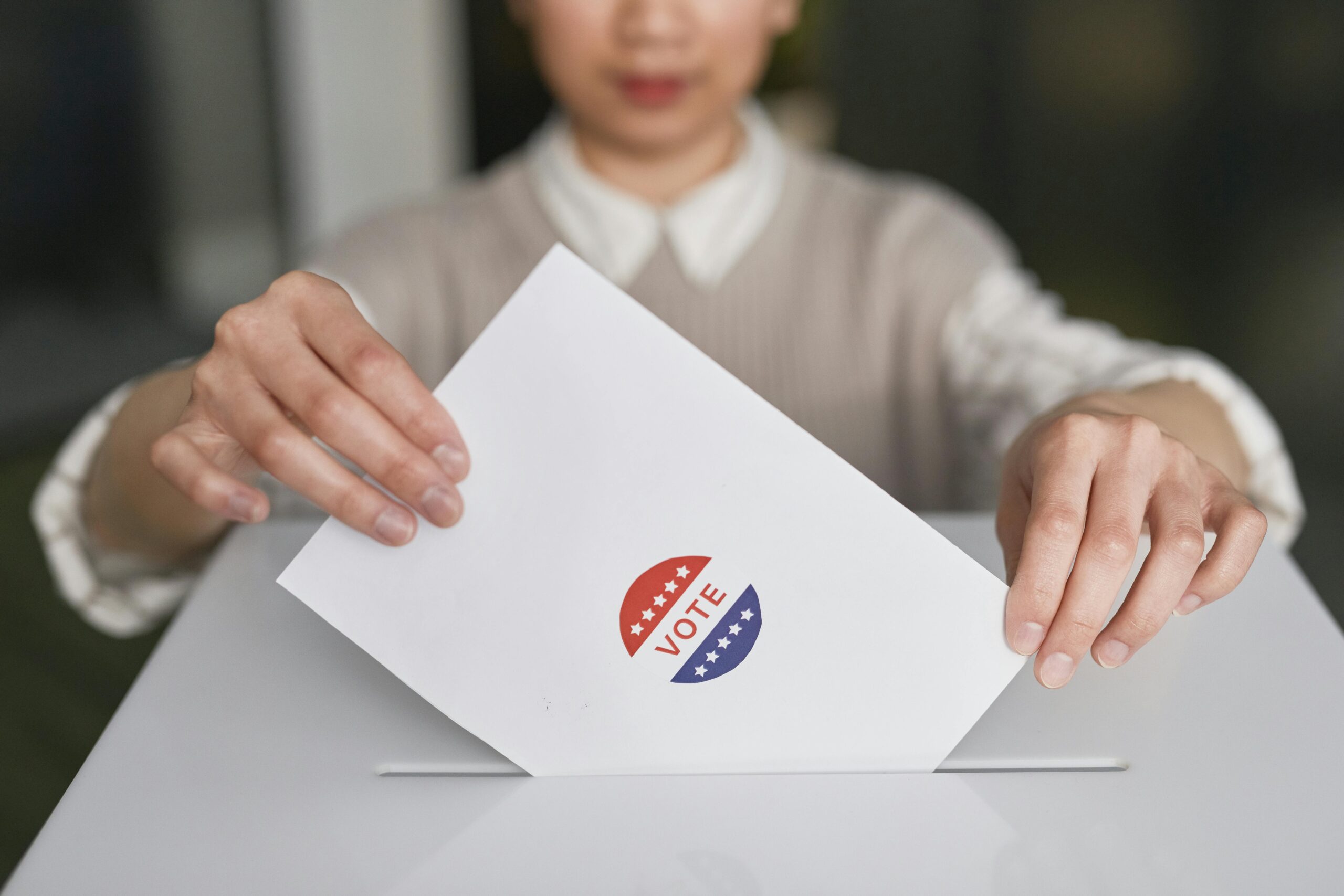
Election and their impact on business are issues that investors, entrepreneurs, and corporate executives cannot overlook. Every election often brings economic and policy changes that directly affect business operations. These impacts range from elections and the economy, reflected through market confidence, foreign investment, and domestic consumption, to political risks and business strategies that organizations must carefully plan to address.
Moreover, elections may lead to new taxes and business laws that affect cost structures and corporate compliance. If businesses are not well-prepared, they may face challenges that disrupt operational continuity. Therefore, understanding the impacts of elections is a key factor in building resilience and long-term stability for organizations.
HIGHLIGHTS:
Political changes and new policies may affect supply chains, finance, and employment. Conducting a Business Impact Analysis (BIA) helps organizations identify which processes are critical and must be restored urgently to maintain continuity.
Elections create uncertainty, such as stock market volatility and new labor laws. Risk assessment helps organizations prioritize the severity and likelihood of potential issues, enabling them to develop targeted strategies to respond effectively.
New tax laws may increase or reduce costs, directly impacting cash flow. Non-compliance with these new regulations poses risks of fines and reputational damage. Therefore, having robust Compliance and Crisis Management systems is essential.
New regulations on personal data and Cybersecurity may require businesses to increase investment. Establishing a Cyber Threat Management is crucial to preventing business disruptions in the digital era.
- If businesses can integrate Business Impact Analysis (BIA), Risk Assessment (RA), and adaptation to new regulations, it will help build continuity in the changing environment following elections.
Business Impact Analysis (BIA) and the impact of elections

Elections not only change governments but also directly affect critical business processes. Business Impact Analysis (BIA) is therefore a tool that helps organizations understand how elections and political changes impact core operations—from supply chains and finance to employment—so that businesses can plan effectively and maintain continuity.
An example of conducting Business Impact Analysis (BIA)
1. Identify Critical Business Functions
For example:
- Product manufacturing
- Supply chain management
- Finance and cash flow
- Sales and marketing
- Human resource management
2. Analyze the impact of elections
For example
- New economic policies: may increase or decrease production costs.
- New taxes and business laws: can affect compliance and expenses.
- Political risks and business strategies: investor confidence may decline, and stock market may become volatile.
- Employment and labor: new labor laws may impact wages and benefits.
3. Assess the impact level
For example:
- New tax policies may increase costs: High impact level
- Uncertainty in import policies: Moderate impact level
- Stock market and currency volatility: High impact level
- New labor laws increasing expenses: Medium-High impact level
4. Determine Recovery Time Objective (RTO)
For example:
- Finance: Recovery time within 24 hours, requiring a short RTO to maintain liquidity.
- Production: RTO 72 hours
- Supply Chain: RTO 1 week
- Human resources: RTO 2 weeks
5. Business Continuity Strategies
For example:
- Develop a contingency plan to address rising costs.
- Use Risk Assessment to evaluate potential risks arising from elections and the economy, election impacts, and political risks related to business strategies.
- Establish a Crisis Management team to handle emergency situations.
- Invest in Cybersecurity systems to protect against threats.
Elections and Business Risk Assessment
Elections represent uncertainties that businesses must face. Risk assessment is therefore a crucial step in analyzing how election-related impacts—whether new policies, taxes, or changes in legislation—may create opportunities or risks for organizations. Planning ahead through risk assessment enables businesses to adapt in time and mitigate potential impacts on business continuity.
Example of Risk Assessment
1. Identify Risk Factors
For example:
- New economic policies may affect taxes, imports–exports, and production costs
- The stock market and currency may fluctuate
- Political risks and policy uncertainty may cause investors to slow down
2. Determine Likelihood and Impact
It is important to assess both the Likelihood and Impact of each election-related economic factor, so that businesses can prepare carefully. For example:
- There is a high likelihood that a new government will adjust the tax structure or introduce new legislation, which may create a high impact on businesses, particularly in terms of costs and compliance with new requirements.
3. Linking to Business Continuity
Use Business Impact Analysis (BIA) to identify which critical processes are affected by political risks and business strategies. Risk assessment should then be conducted to evaluate the probability and potential impact of these factors, enabling the development of a business continuity plan to address changes that may disrupt operations.
Taxes and New Business Laws and Business Continuity

Elections and their impact on business do not only reflect economic changes but also bring new taxes and business laws that may affect cost structures and operations. Understanding these impacts is therefore essential to maintaining business continuity and reducing potential risks.
1. Tax Changes and Their Impact on Cash Flow
New tax laws introduced by a new government may increase or decrease business costs, directly affecting an organization’s cash flow and liquidity. Risk assessment is therefore essential in analyzing how tax changes will impact operations, and businesses should plan adjustments to remain competitive in the market.
2. Compliance and Crisis Management
Failure to comply with new laws may lead to fines, reputational damage, or even business disruption. Therefore, having a strong compliance system and preparing a crisis management plan are essential to enable businesses to effectively handle audits or legal disputes while maintaining operational continuity.
3. Digital Laws and Cybersecurity Threats
In the digital era, elections and the economy often come with new laws on personal data and cybersecurity, which may require businesses to increase investment in protective systems. Linking these efforts with cyber threat management is therefore essential to build digital resilience and ensure that businesses can continue operating even when facing cyber threats during political transitions
Frequently Asked Questions (FAQs)
How do elections affect the overall economy and business?
Elections often create economic uncertainty, including new policies, investor confidence, and foreign investment, which affect business operations at multiple levels.
What should businesses do to manage political risks after elections?
Businesses should conduct risk assessments and develop contingency plans to address policy changes and market volatility.
How do new taxes and business laws after elections impact organizations?
New laws may increase or decrease business costs, impact cash flow, and impose compliance burdens. Without preparation, this could lead to fines or reputational damage.
How are elections related to business continuity?
Elections may also affect critical organizational processes such as finance, production, and employment. Conducting Business Impact Analysis (BIA), risk assessments, and crisis management therefore helps businesses maintain continuity even in changing environments
Ready to handle any situation may affect business continuity with InterRisk Asia
Having a contingency plan to address changes is the key to managing uncertainty. Without prior planning, organizations may face impacts unexpectedly and be unprepared to respond.
IInterRisk Asia is a company in developing contingency plans and conducting business impact analysis. Services cover cause analysis, solution design, and preventive strategies. The company also provides training and consulting across multiple industries to help organizations prepare, minimize impacts, and restore business operations with confidence.
End-to-end consulting for the development of a robust BCMS, with pathways to ISO 22301 certification
Specialized training programs designed for both management and staff to enhance awareness and competency in BCMS practices.
Analysis of operational risks and disruption impacts to inform the development of targeted continuity strategies.
Structured exercises to validate your BCP and strengthen organizational preparedness and response capabilities.
Experienced consultants with hands-on BCMS expertise
Customized planning tailored to your business context.
Practical tools and templates, with expert support for testing and improvement.